South Korea’s Pohang-Gyeongju Airport Down To One Route As Province Courts Sum Air
 Staff Writer,
17 Nov 2026
3 min read
The airport for the city of Pohang, on South Korea’s east coast, is hoping Sum Air will launch services there now that Jin Air has suspended its Seoul Gimpo–Pohang route.
Local news reports say Jin Air suspended its daily service between Seoul Gimpo Airport and Pohang-Gyeongju Airport on 25 October. This leaves the airport with only one scheduled service: Jin Air’s twice-daily flights to Jeju, South Korea’s popular tourist island.
Jin Air, a low cost carrier that operates Boeing 737-800s, says cumulative losses on the Gimpo–Pohang route had reached KRW38 billion (US$28 million) over about six years, despite annual subsidies from the province and Pohang city.
Lee Nam-eok, head of North Gyeongsang Province’s Airport Investment Headquarters, tells local media that the province has proposed that Sum Air serve the airport. “We are also in discussions about international charter flights,” he says.
Lee adds that the province is pursuing safety improvements and the installation of azimuth equipment at the airport, “but the Ministry of Land, Infrastructure and Transport [MOLIT] is opposed, citing reasons such as insufficient passenger numbers”.
Sum Air itself named Gimpo–Pohang-Gyeongju and Pohang-Gyeongju–Jeju among its planned first routes while it was applying for its air operator certificate (AOC).
The airline received its AOC on 10 March 2026 and later that month launched daily scheduled flights between Seoul Gimpo and Sacheon, a city on South Korea’s southern coast.
Analysis and background
It may be hard for Sum Air to launch flights to Pohang because it has only one aircraft, a leased ATR 72-600. Sum Air has ordered four ATR 72-600s, with purchase rights for four more, but ATR says deliveries will not start until 2028.
High-speed rail has also eroded demand. Passenger numbers on the Gimpo–Pohang route fell 78.5%, from 205,884 in 2013, before the KTX line opened, to 44,281 in 2025, when the average load factor was 32.9%, according to MOLIT Air Portal statistics. The rail journey from Pohang to Seoul Station takes about 2 hours 30 minutes.
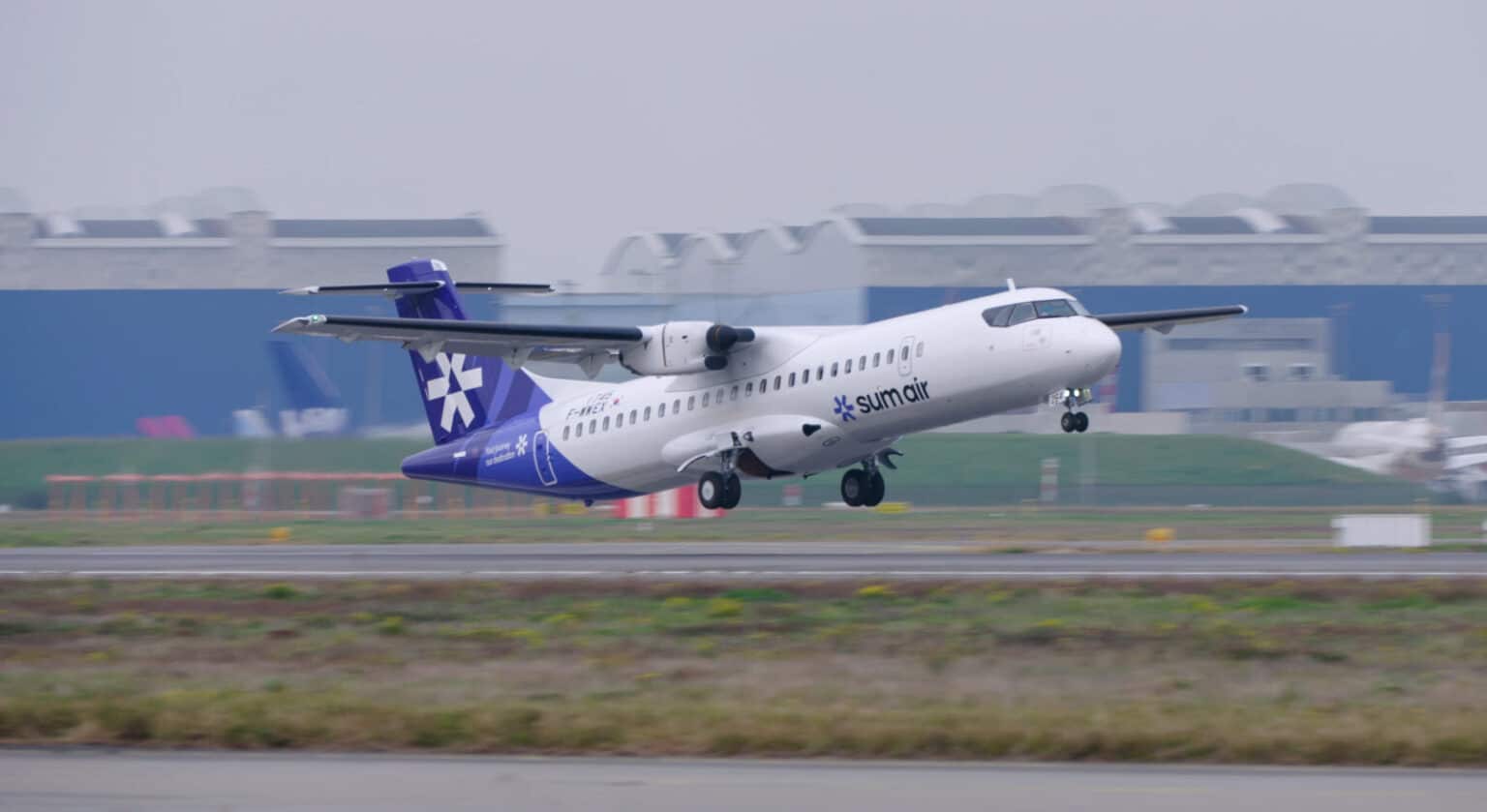
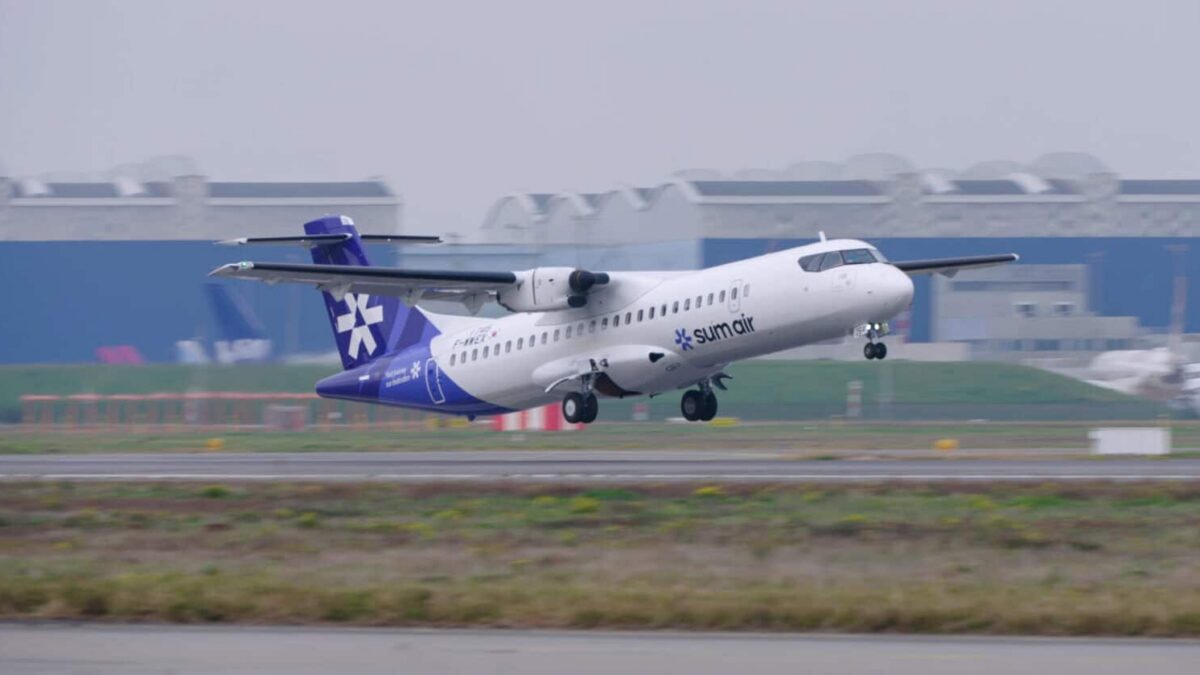
Feature picture, from ATR, shows Sum Air’s new ATR 72-600
포항 경주공항, 진에어 김포 노선 운휴 이후 섬에어 취항 기대
한국 동해안에 위치한 포항시를 연결하는 포항경주공항이 진에어의 김포–포항 노선 운휴에 따라 섬에어(Sum Air)의 신규 취항을 기대하고 있다.
현지 언론 보도에 따르면 진에어는 10월 25일 김포공항과 포항경주공항을 잇는 매일 운항 노선을 중단했다. 이에 따라 포항경주공항의 정기 노선은 진에어가 하루 두 차례 운항하는 제주 노선 하나만 남게 됐다. 제주는 한국의 대표적인 관광지다.
진에어는 지방자치단체와 포항시의 연간 보조금에도 불구하고 약 6년간 김포–포항 노선의 누적 손실이 380억 원(미화 약 2,800만 달러)에 달했다고 밝혔다.
이남억 경상북도 공항투자본부장은 현지 언론에 경북도가 섬에어에 포항경주공항 취항을 제안했다고 말했다. 그는 “국제선 전세기 운항도 협의 중”이라고 덧붙였다.
이 본부장은 또한 경북도가 공항의 안전 개선 및 방위각 시설 설치를 추진하고 있으나 “국토교통부가 이용객 부족 등을 이유로 반대하고 있다”고 말했다.
섬에어는 항공운항증명(AOC) 신청을 진행하던 당시, 초기 취항 노선으로 김포–포항경주, 포항경주–제주 노선을 포함한 바 있다.
섬에어는 2026년 3월 10일 AOC를 취득했으며, 같은 달 김포와 한국 남해안에 위치한 사천을 잇는 매일 정기편 운항을 시작했다.
분석 및 배경
섬에어가 포항 노선을 개설하기는 쉽지 않을 수 있다. 현재 보유 항공기가 리스한 ATR 72-600 한 대뿐이기 때문이다. 섬에어는 ATR 72-600 4대를 주문하고 4대에 대한 구매권을 확보했지만, ATR은 인도가 2028년에야 시작될 것이라고 밝혔다.
고속철도 역시 항공 수요를 잠식했다. 국토교통부 항공정보포털 통계에 따르면 김포–포항 노선 이용객은 KTX 개통 이전인 2013년 205,884명에서 2025년 44,281명으로 78.5% 감소했으며, 2025년 평균 탑승률은 32.9%였다. 포항에서 서울역까지 철도 이동 시간은 약 2시간 30분이다.
South Korea's Pohang-Gyeongju Airport Down To One Route As Province Courts Sum Air